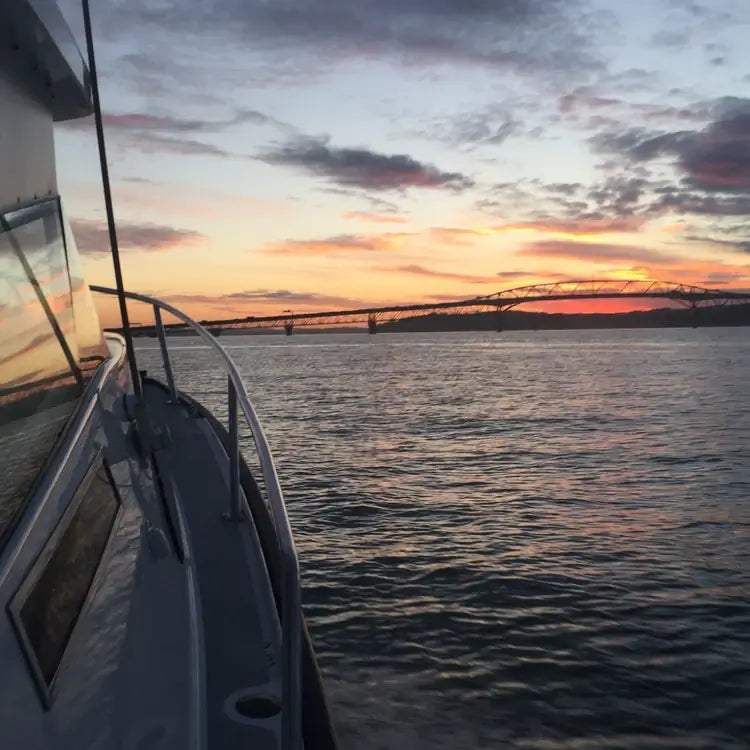
The Hauraki Gulf is Auckland's backyard — and most Aucklanders have barely scratched the surface of what's out there. Seven islands within 45 minutes of the CBD, each utterly different from the last. Pest-free ecological sanctuaries. World-class wine regions. Volcanic summit walks. Secret beaches. And all of it reachable by water taxi, on your schedule.
After 17 years operating in these waters, we know every island, every bay, and every trip type. This is your honest, practical guide to the best Hauraki Gulf day trips from Auckland.
Best for: Walking, photography, families, geology lovers
Travel time: ~25 minutes from Viaduct
Permit required: No
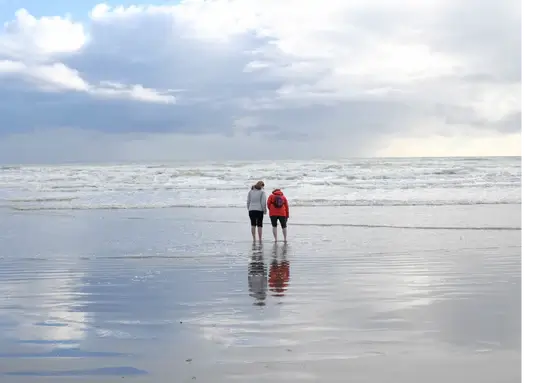
Rangitoto is the youngest and largest of Auckland's volcanic islands, rising dramatically from the gulf. The 600-year-old lava fields are now pest-free and home to the world's largest pohutukawa forest. The summit walk (90 minutes return) rewards you with 360-degree views across the gulf, Auckland CBD, and on clear days, as far as the Coromandel.
What most people miss: the lava caves near the summit, and the tidal rock pools on the island's west coast — far quieter than the main tracks.
Best for: Wine lovers, beach days, foodies, couples, groups
Travel time: ~35 minutes from Viaduct
Permit required: No
Waiheke is New Zealand's most acclaimed wine island, home to over 30 wineries including Te Whau, Mudbrick, and Stonyridge — all of which appear on international wine lists. Beyond wine, Onetangi Beach is one of the best swimming beaches in the Auckland region, and the island's walking tracks offer stunning coastal scenery.
Water taxi advantage: we can drop you directly at the bay closest to your first winery, saving you the bus from Matiatia. And we'll pick you up wherever you finish — no scramble for the last ferry.
Best for: Conservation enthusiasts, birdwatchers, walkers, volunteers
Travel time: ~30 minutes from Viaduct
Permit required: No
Connected to Rangitoto by a causeway, Motutapu is New Zealand's pest eradication success story. Kiwi, saddleback, and other endangered birds now live here in the wild. The Motutapu Restoration Trust runs regular volunteer planting weekends — we're proud to transport many of those volunteers.
The island's farm tracks and coastal walks are gorgeous and largely crowd-free. Pack a lunch and expect to have most of it to yourselves.
Best for: Families, birdwatchers, picnics, swimming
Travel time: ~30 minutes from Viaduct
Permit required: No
Motuihe is one of the Gulf's best-kept secrets — a pest-free sanctuary with beautiful white-sand beaches and thriving populations of native birds. It's particularly family-friendly, with calm swimming waters and easy walking tracks. The Motuihe Trust runs conservation programs here; their restoration work is visibly impressive.
Best for: Those seeking genuine quiet, bach-style stays, small groups
Travel time: ~40 minutes from Viaduct
Permit required: No
Rakino doesn't feature on most tourist itineraries — and that's precisely its appeal. A small, quiet community island with bach accommodation, dramatic cliffs, and sweeping gulf views. It's the kind of place where you genuinely feel like you've escaped. We're often the only way to get there.
Best for: History buffs, nature lovers, families
Travel time: ~50 minutes from Viaduct
Permit required: No
Rotoroa has a fascinating history as a Salvation Army retreat (1911–2005), and the Plowman family's subsequent transformation of the island into an eco-tourism destination is one of New Zealand's most inspiring conservation stories. Beautiful beaches, historic buildings, and genuinely warm hospitality.
Best for: Birdwatchers, nature photographers, guided walks
Travel time: ~60 minutes from Viaduct
Permit required: Yes (we can assist)
Tiritirimatangi is one of New Zealand's finest open sanctuaries — a pest-free island where you can walk among some of the country's rarest birds in the wild. Kōkako, hihi (stitchbird), takahē, kākāriki, and many more. A permit is required for landing; we can assist with the application process and plan the logistics of your visit.
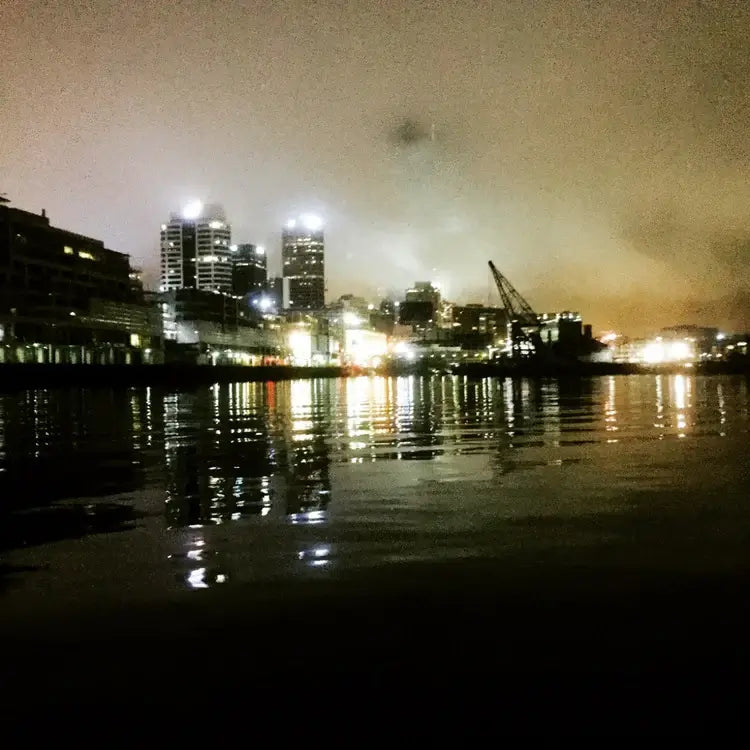
Summer (December–March) offers the warmest swimming and longest days, but also the most crowds on Waiheke and Rangitoto. Autumn (March–May) is arguably the sweet spot — warm days, quieter islands, and stunning light. Winter trips to the smaller islands can be magical, especially for birdwatching when the bush is quieter.
Tell us where you want to go and how many people — we'll sort the rest. Open 24/7, 365 days a year.
Get a Quote